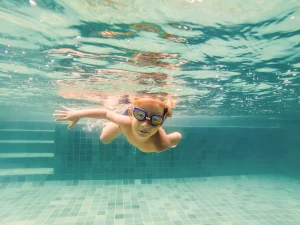
When I talk with families in New York City about their hopes for their children near the water, I always hear the same wish: the desire for confidence, safety, and lifelong comfort in aquatic environments. With so many busy parents, the ideal path is often private, in-home instruction—especially for babies and toddlers just meeting the water for the first time.
In my experience, the journey starts at home, surrounded by familiar sounds and favorite toys. I’ve seen infants splash and smile where they feel safest, and I’m convinced these first steps shape our whole relationship with water. As I guide you through this article, you’ll find insights not only from recent data and expert consensus but also from real stories, best practices, and the tailored philosophy behind Easy2Swim’s elite methodology—one I’ve seen transform families, particularly in the unique landscape of NYC living.
Why early water exposure truly matters
The research leaves no doubt—early water introduction can change a child’s entire relationship with swimming. I always point parents to facts they can trust. According to the CDC, drowning is the leading cause of death for children aged 1–4 years, and the numbers have only increased over recent years. Many of these tragedies occur in swimming pools and often involve children with little to no exposure to formal water skills (CDC, American Academy of Pediatrics).
Yet there is strong hope. Data from the Eunice Kennedy Shriver National Institute of Child Health and Human Development shows that formal lessons before age 4 can reduce drowning risk by 88%. That number matters to me as both an instructor and a parent myself. Each time I hold a baby in the pool for the first time, I remember these statistics. Every lesson feels like a promise to protect and empower, not just teach.
What makes swimming at home different for NYC families?
New York is special. Space is private. Time is precious. Many parents ask me: “How does learning at home compare to group lessons in a public pool?” In my view, bringing lessons directly to your home or building offers advantages you simply can’t find elsewhere, especially in this bustling city.
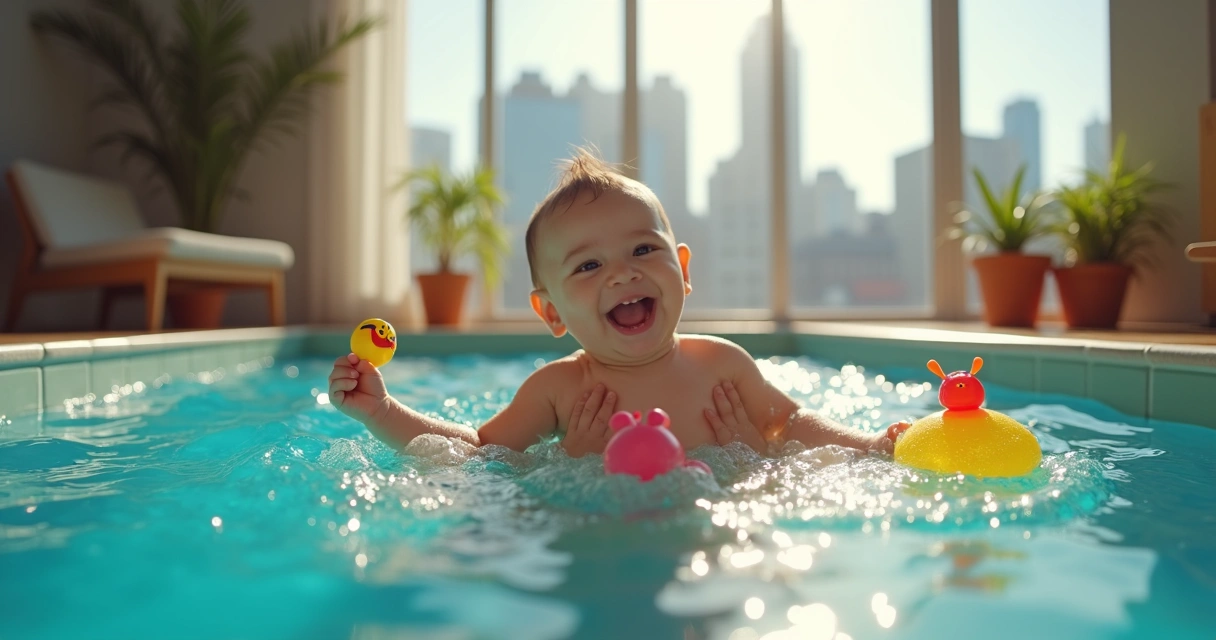
- Babies relax in their own environment—they see their toys, familiar faces, and listen to music they know. This setting helps reduce anxiety and builds trust moment by moment.
- The entire session revolves around your child’s mood, progress, and needs. There’s no rigid schedule, noisy distractions, or pressure to “keep up.”
- You can observe every interaction, participate as much or as little as you like, and help shape your child’s first impressions of the water.
- For families juggling work and long commutes, not traveling for lessons is a genuine relief. Even more—siblings and caregivers can witness the journey and be part of the celebration when milestones are reached.
I’ve heard so many parents say, after one session, “I never realized how much happier—and braver—my child is here at home.”
 The unique benefits of private instruction
Through my years teaching in places like London, Dubai, and New York, I’ve seen one constant: private attention in the water speeds up comfort and trust. Group classes sometimes work for older children, but with infants—every second, every smile, every hesitation truly counts.
Here’s what stands out in one-to-one (or parent-and-baby) sessions, compared to any group arrangement:
- No comparison anxiety: Babies and toddlers don’t feel rushed by peers’ progress or distracted by other families.
- Immediate response to stress: If I see a hint of fear or a bad association forming, we pause, play, or reset—the lesson flexes around your child, not the group as a whole.
- Custom pacing: We linger on favorite games, revisit skills as needed, and leap ahead when a child is ready, not when a syllabus dictates.
- Family bonding: Parents stay involved in gentle, structured ways. You see your child’s growth up close and often learn about your own responses to water too.
This flexibility means fears are soothed before they grow, and little victories are celebrated in real time.
What skills are taught in the earliest swim lessons?
Most parents are surprised when they hear what a “lesson” really looks like for an infant. Forget about technique or strokes in the beginning. It’s all about emotional safety, comfort, and the basic language of being in water—long before a child ever tries to “swim.”
- Being held and supported: Feeling secure in an adult’s arms, with slow movements from shallow to deeper water.
- Gentle water pouring: Warm water across the shoulders and head, so the sensation of wet skin becomes normal.
- First floating: Games that introduce back floats, with plenty of smiles and songs to make the experience playful.
- Breath control basics: Teaching cues for closing the mouth, bubbles, and brief face submersions—always with clear signals so there are no surprises.
- Turning and reaching: Simple hand movements to build the muscle memory of “reaching” for a wall or grabbing onto a parent.
- Parent participation: Gentle encouragement, joining in the water, mirroring instructor actions, and always providing reassurance.
For a deeper look into these fundamentals, I often recommend families read more detailed guides like this overview of what to expect in baby swimming lessons.
Personalized programs versus rigid group syllabi
Families sometimes ask if there’s any downside to learning alongside a group for socialization or cost. While those sessions offer some community feeling, I believe private lessons bring stronger, safer beginnings for infants.
Every child has a different natural pace, even from week to week.
Personalized programs—like those at Easy2Swim, designed by Thiago Luz—are centered on observation and adaptation. For example, if a toddler has had one nervous experience at a pool party, we will address that gently, integrating trust-rebuilding steps into every single lesson. With group classes, it’s hard to give this level of attention, especially with infants who may not yet have the words to describe their feelings.
I often see children develop water skills faster in private sessions because we move on only when real comfort is achieved, not on a timetable. This is especially key in NYC, where children might have limited weekly access to water due to the constraints of city living.
How can parents help shape success?
In my view, the parent’s role is everything. Whether you’re in the pool for every lesson or sitting poolside, your reactions, encouragement, and calm presence make a world of difference. I encourage every parent to:
- Watch for signs of enjoyment and discomfort. Smile, clap, and celebrate every brave dip and each giggle.
- Continue gentle water play during bath time. The more a child splashes and explores on their own schedule, the sooner they’ll feel at home during lessons.
- Use favorite toys and songs as transitions. If your baby loves a particular plush or tune, bring that into lessons as a bridge to comfort.
- Model relaxed, positive attitudes near water—babies sense and mirror their caregivers more than anyone.
As you grow more confident, you can incorporate creative, safe water games outside of lessons. I often point families to resources such as these playful strategies for practicing swim skills at home.
Session structure and consistency
A question I hear regularly is: “How long should each lesson be, and how often?” Based on my experience and current best practices, here’s what works for most NYC families:
- Lessons for infants and toddlers are short and sweet—usually 20 to 30 minutes at a time. This keeps the experience positive, energetic, and leaves them wanting more.
- Weekly or twice-weekly sessions are enough to build memory and progress, without overwhelming children or disrupting routines.
- Consistent scheduling matters more than duration—children thrive on knowing what’s coming and counting on that special time together.
For more about structuring lessons and making the most of in-home setups, you might find this article on home swimming lesson benefits and best practices helpful.
How Easy2Swim’s approach turns fear into joy
Over my years guiding children in the water, I’ve seen that the right method can completely rewrite a child’s “story” about swimming. The Easy2Swim approach, shaped by more than 15 years of international experience, uses gentle exposure, human connection, and small, personalized steps to foster true independence and fun.
- We begin with a full conversation—understanding each child’s routines, medical considerations, and past experiences before ever stepping into the pool.
- Every lesson feels like play, but every activity is backed by research. Whether it’s blowing bubbles or floating with a song, there’s science and a plan behind the fun.
- Parents observe progress in real time, with clear milestones such as “happy in the water,” “first confident splash,” and “can float with light support.”
- If a setback occurs (illness, a forgotten skill, reluctance), we adjust the plan immediately—never pushing or comparing to other children.
Our team takes additional care to advocate for safety both in and beyond the pool. In an age where pools might be in buildings, homes, or private clubs, it’s helpful to review swim safety essentials through guides like these tips for practicing water safety at home and away.
 The NYC advantage: Privacy, comfort, and faster learning
Teaching in Manhattan, Brooklyn, and beyond, I’ve realized that the city itself is a character in every family’s swimming story. Here are ways private, in-home lessons meet the city’s most common challenges:
- Pool spaces are often limited—private instruction makes the most of every square foot, with custom activities for any size or depth.
- Schedules are tight—sessions can fit into nap times, work-from-home hours, or weekends, freeing families from hectic travel.
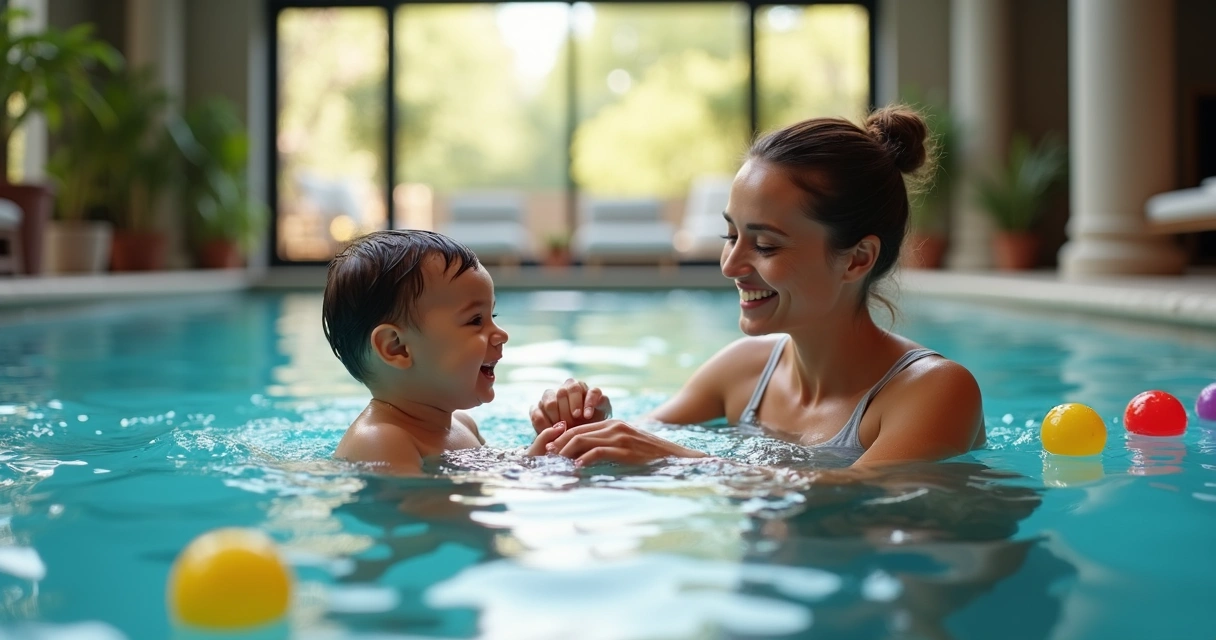
- Social distractions disappear—no strangers, no peer pressure, just the parent, child, and instructor forming bonds of trust.
- Safety is monitored 100%—parents never have to wonder who’s supervising or whether rules are enforced.
For families considering a private instructor, understanding the role of professionals in the home setting is key. I recommend reading more at this discussion of selecting and working with a swim instructor for home lessons.
Overcoming barriers and promoting equity
Not every NYC family has the same access to aquatic education. National research published in Pediatrics outlines clear gaps—over half of Black and Hispanic/Latine parents reported that none of their children had ever taken a swimming lesson, compared to fewer than one quarter of white parents. I believe the privacy and flexibility of in-home instruction can help bridge some of these disparities by removing transportation and scheduling barriers, and bringing expert instruction directly to families who might otherwise miss out.
Swimming is not simply a skill—it’s a right to safety, joy, and confidence for every child, no matter their background or zip code.
Conclusion: What to expect from a tailored, premium program
When parents begin with Easy2Swim, or any exclusive, highly personalized swimming instruction, I want them to feel prepared and optimistic. Here’s what you can expect:
- An in-depth intake: Your instructor will spend time understanding fears, lifestyles, any medical needs, and family goals to craft a unique plan.
- Sessions shaped to your baby’s personality—never forcing skills, with every activity explained and every success cheered.
- Ongoing support for parents, including resources for practicing water comfort outside of lesson times and monitoring safety in daily life.
- Measurable, joyful progress that grows from trust and positive experiences, not pressure or competition.
If you want your child’s journey near water to start with laughter, comfort, and skills that endure for a lifetime, get to know Easy2Swim’s personalized method. Let us help you transform the way your family relates to water, starting right at home.
Frequently asked questions
What are infant swim lessons in NYC?
Infant swim sessions in New York City are private, one-on-one or parent-and-child water experiences designed for babies and toddlers, often delivered at home or in private residential pools. These lessons help introduce basic comfort in the water, gentle floating, breath control, and parent bonding from a very young age, always tailoring the approach to the individual child. In NYC, lessons often focus on maximizing safety, flexibility, and emotional security in familiar environments.
How much do NYC infant swim lessons cost?
Pricing varies widely based on the instructor’s experience, lesson location, and specific program features. In my experience, private in-home infant swim lessons in NYC typically range from $120 to $250 per session. Rates reflect the premium, specialized nature of these lessons and the convenience of home visits. Some providers offer package deals for multiple sessions. For a breakdown of what influences costs, consider reviewing resources on structuring home lessons.
Are at-home infant swim lessons safe?
Yes, with proper supervision and expert instruction, at-home lessons are safe for infants and toddlers. Instructors should be certified in infant/toddler swim teaching and trained in pool safety and first aid. The American Academy of Pediatrics emphasizes active adult supervision and secure water barriers in any setting. Working with professionals who prioritize emotional and physical safety helps ensure every lesson is both enjoyable and protective. For further safety considerations, review safe practices for home swim lessons.
Where can I find certified instructors?
To find certified infant swim instructors in NYC, seek professionals with nationally or internationally recognized training in early childhood aquatic education. You can request proof of certifications in infant swim instruction and child CPR/first aid. Referrals from other parents, pediatricians, or local safety organizations can be helpful. You might also benefit from programs like Easy2Swim, which specialize in private, elite in-home lessons and can guide you through instructor selection and program setup.
When should my baby start swim lessons?
The American Academy of Pediatrics recommends swim lessons for children beginning at age 1, though gentle, parent-and-baby water play can start earlier. The best age to begin formal infant swim lessons is when your child can comfortably hold their head up and enjoy brief water time—usually between 6 months and 12 months old. At this stage, lessons focus on positive exposure to water, parent-child bonding, and early safety skills, never on forced immersion or swimming technique.